Safety Precautions
Before you begin any dryer cleaning or maintenance, it’s important to prioritize your safety.
- Always unplug the appliance from the power source to eliminate the risk of electrical shock.
- When working inside or around the dryer, wear protective gloves and safety glasses to protect yourself from sharp edges and flying debris.
- Keep the area around your dryer free from clutter, dust, and lint to ensure a safe and efficient workspace.
- Avoid using flammable liquids or harsh chemicals during cleaning, as these can damage your appliance or create a fire hazard.
If you encounter any issues you’re unsure about, or if you need further assistance, consult your dryer’s user manual or contact a professional for help. Taking these precautions will help you clean your dryer safely and effectively.
Dryer Components
Knowing the main components of your dryer can make maintenance much easier and more effective.
- The dryer drum is where your clothes tumble and dry, and keeping it free of lint, dust, and debris helps maintain clean clothes and efficient drying.
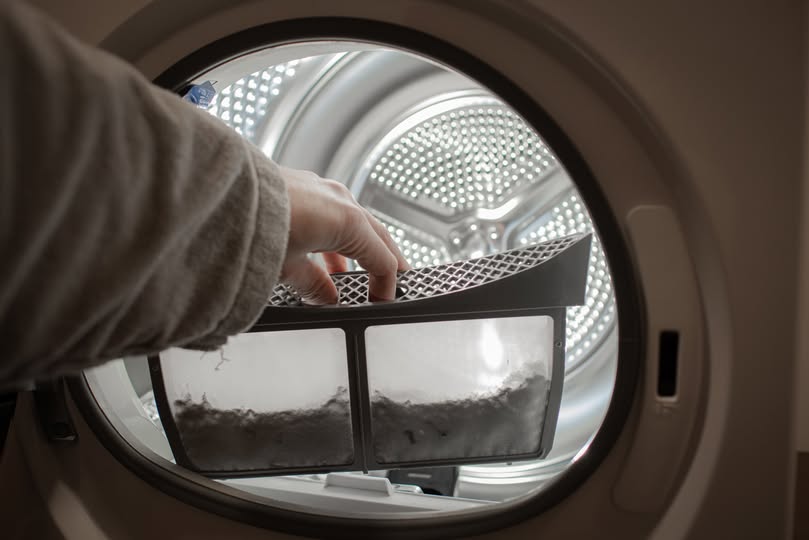
- The lint filter, sometimes called the lint screen, is usually located near the dryer door and should be cleaned after every load to prevent fire hazards and keep air flowing smoothly.
- The dryer vent and duct system carry hot air and moisture outside your home; regular maintenance of these parts is crucial to avoid clogs and reduce fire risks.
- Moisture sensors inside the drum help detect when clothes are completely dry, ensuring your dryer doesn’t run longer than necessary.
- The dryer’s lint trap collects loose lint and debris, playing a key role in keeping your appliance safe and efficient.
Understanding these components will help you target your cleaning efforts and keep your dryer in top condition.
Troubleshooting Steps to Get Your Dryer Working Again
A dryer is an essential appliance in most households, but like all appliances, it requires regular maintenance to operate efficiently and last longer. Simple steps can help you extend the life of your dryer and prevent costly repairs. This section provides a step-by-step guide for dryer maintenance. Regular cleaning of dryers is crucial to prevent lint buildup, improve efficiency, and reduce fire hazards. Addressing minor issues early can help you avoid bigger, more expensive problems down the line. These tips apply to most dryers and will help keep your appliance running smoothly for years to come:
Clean the Lint Trap After Every Load
The dryer’s lint trap is one of the most critical parts of your dryer. After every use, remove the lint from the lint trap to prevent clogs, ensure better airflow, and reduce the risk of fire hazards. A clogged lint filter restricts airflow, forcing the dryer to work harder, which can lead to higher energy bills and potential dryer fires. Additionally, a clogged lint filter can increase drying time, making your dryer less efficient.
Related Article: Common Causes of Dryer-Induced Wrinkles and How to Fix Them

Check and Clean the Vent System Regularly
A clogged dryer vent and dryer duct system can significantly reduce your dryer’s performance and cause overheating. It is recommended to clean the dryer vent and dryer duct at least every six months. Use a dryer vent cleaning brush or vacuum to remove lint and debris from the vent system and exterior vent. Proper airflow helps your dryer run efficiently and safely.
Level the Dryer
An unbalanced or uneven dryer can cause excessive wear and tear on its motor and other components. Use a level to ensure your dryer is properly balanced. Adjust the dryer’s feet as needed to prevent unnecessary strain and reduce noise and vibrations during operation.
Examine the Dryer Drum
Regularly inspect the dryer drum for signs of wear or damage, such as squeaking, scratching noises, or sharp edges. Residue buildup from fabric softener or dryer sheets can also affect the drum’s condition. To clean the drum, use a spray bottle to apply a mild cleaning solution, then wash the drum with a damp cloth to remove stains and buildup, ensuring your clothes stay in good shape. After cleaning, rinse the drum with clean water to remove any remaining residue.
Inspect the Dryer Belt
The dryer belt is responsible for rotating the drum. A frayed, stretched, or damaged belt can cause the drum to stop turning or make unusual noises. Regularly check the belt’s condition and replace it if necessary to avoid breakdowns and costly repairs.
Deep Cleaning the Dryer
For a truly effective dryer maintenance routine, deep cleaning is essential. Start by removing the lint filter and washing it thoroughly with warm water and a mild detergent. Use a soft brush to scrub away any stubborn lint or buildup. Next, wipe down the dryer drum with a microfiber cloth dampened with a solution of equal parts water and white vinegar. This helps remove stains and any lingering residue. For the vent system, use a dryer vent cleaning brush or a vacuum with a hose attachment to clear out lint and other debris from the ductwork and exterior vent. Pay special attention to areas where lint tends to accumulate, as this can impact your dryer’s performance and increase fire hazards. Regular deep cleaning not only keeps your appliance running efficiently but also helps lower energy bills and extends the life of your dryer.
Maintenance Schedule
Establishing a regular maintenance schedule is the best way to keep your dryer running efficiently and safely.
- After every load, clean the lint filter to prevent a clogged lint filter and ensure proper airflow.
- Once a week, wipe down the dryer door and exterior surfaces with a damp cloth to remove dust and lint.
- Every month, use a dryer cleaning brush or vacuum to clean the lint from the dryer drum and vent system, helping to prevent buildup that can lead to longer drying times or a burning smell.
- Every six months, perform a deep clean of the dryer, including the lint filter, dryer drum, and vent system. Don’t forget to inspect and clean the moisture sensor strips if your dryer has them, as buildup can affect their accuracy.
Watch for warning signs like unusual noises, longer drying times, spinning issues, or a burning smell—these can indicate maintenance is needed.
By following this schedule, you’ll help prevent costly repairs, keep your dryer running efficiently, and ensure your clothes come out clean and completely dry every time.

Professional Maintenance and Repairs
While regular DIY maintenance is essential, scheduling an annual professional dryer maintenance service can help detect hidden issues before they become major problems. Professional maintenance is essential for gas dryers, as they require proper handling and reattachment of gas connections to ensure safe operation. Certified technicians can perform thorough inspections, clean the dryer vent system, and perform emergency repairs if needed. This service helps extend the life of your dryer and maintain its optimal performance.
Frequently Asked Questions
How often should I clean my dryer’s lint filter?
You should clean the lint filter after every load to ensure proper airflow and reduce fire hazards.
What are the signs that my dryer vent needs cleaning?
If your dryer takes too long to dry clothes, produces a burning smell, or the dryer drum becomes excessively hot, it may be time to clean the dryer vent.
Can I clean the dryer vent myself?
Yes, with a few tools such as a dryer cleaning brush and vacuum, you can safely clean the dryer vent and duct system. However, for hard-to-reach vents, professional cleaning is recommended.
Why is my dryer making squeaking noises?
Squeaking noises often indicate wear on the dryer drum or belt. Inspect these parts and clean or replace them as necessary.
How can I prevent my dryer from overheating?
Regularly clean the lint trap and vent system, avoid overloading the dryer, and ensure the appliance is properly ventilated and leveled.
Final Thoughts
Regular dryer maintenance is key to keeping your appliance running efficiently and safely. By cleaning the lint trap after every load, maintaining the vent system, checking key components like the drum and belt, and scheduling professional inspections, you can extend the life of your dryer and avoid costly repairs. Remember, a well-maintained dryer not only saves energy but also protects your home from potential fire hazards.
For expert dryer maintenance and emergency repair services, contact the skilled team at Appliance Forever to keep your dryer in top condition.