Is Your Oven Not Turning On? Common Causes and Fixes

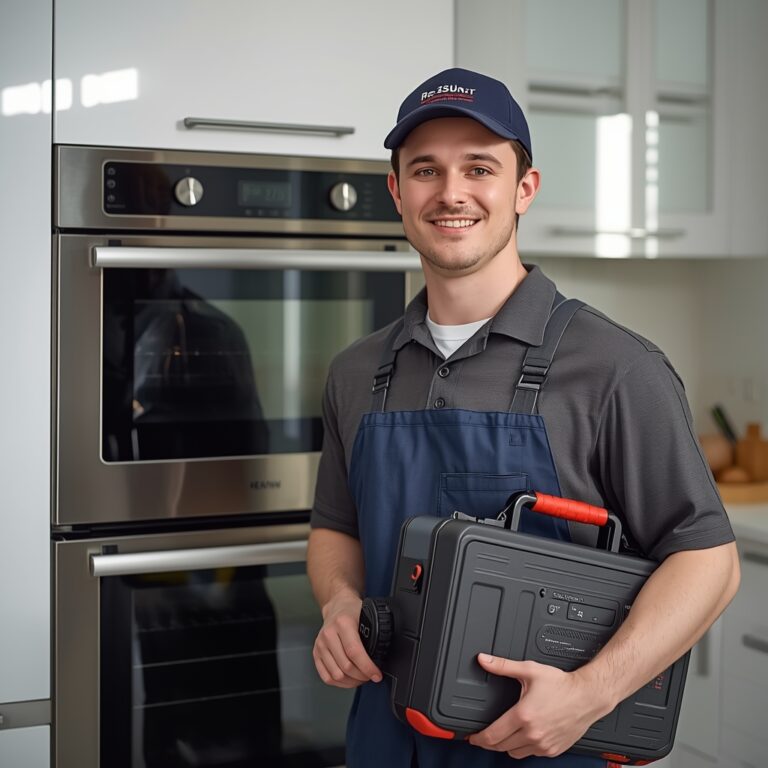
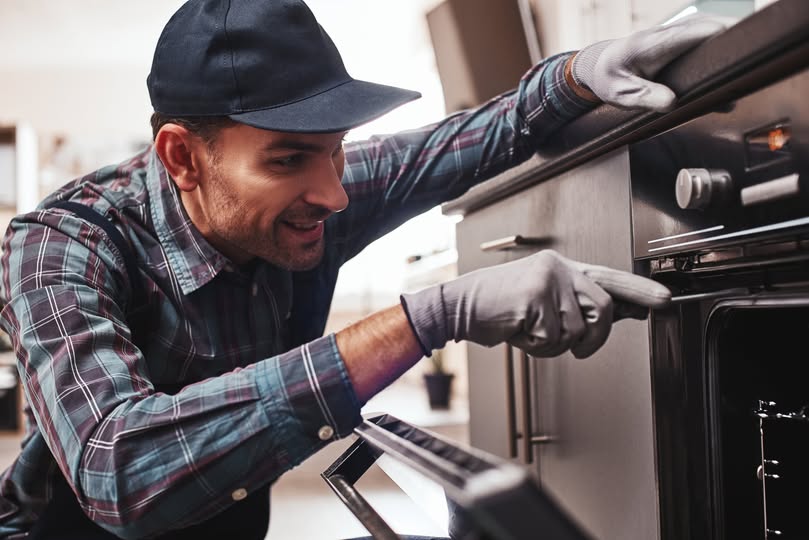
Handsome workman in overalls setting up electric oven on the kitchen at home

Troubleshooting Steps to Get Your Oven Working Again

A malfunctioning oven can be incredibly frustrating, especially when you’re ready to cook a meal and your oven refuses to turn on. Fortunately, there are several common causes for an oven not turning on, many of which can be easily fixed. Here’s a comprehensive guide to help you troubleshoot and identify the problem.

1. Power Issues

One of the most common reasons an oven won’t turn on is a power issue. First, check if the oven is properly plugged in and that the power cord is securely connected. Next, ensure the circuit breaker hasn’t tripped or a blown fuse hasn’t cut power to the appliance. If the breaker has tripped, reset it and try turning the oven on again. Also, inspect the outlet for any visible damage, such as discoloration or misshapen plastic, which might indicate an insufficient power supply.

2. Faulty Oven Timer or Control Panel

Sometimes, the timer, clock, or electronic control board on your oven may malfunction, preventing the oven from turning on. Try resetting the timer or control panel by turning off the oven’s power at the circuit breaker for a few minutes and then turning it back on. If the control board is damaged or showing error codes, it may need professional repair or replacement.

3. Blown Thermal Fuse

A blown thermal fuse is a safety feature that prevents the oven from overheating. If the thermal fuse blows, the oven will not operate properly and won’t turn on. Testing the thermal fuse with a multimeter can confirm if it needs replacing. Replacing the fuse usually resolves the issue, but it’s recommended to seek professional assistance for this repair.

4. Broken Heating Element (Bake or Broil Element)

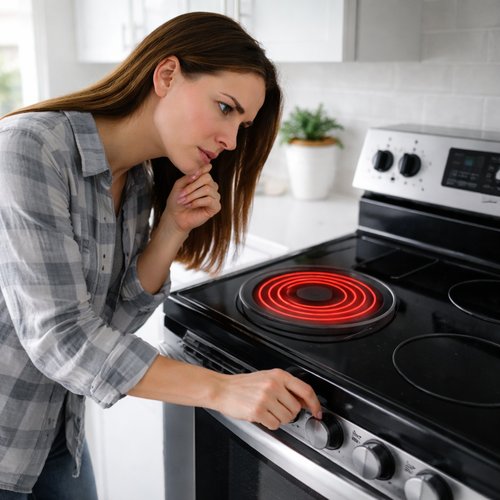
In electric ovens, the bake and broil elements are metal coils responsible for generating heat. If either element is broken or damaged, the oven may not turn on or heat evenly. Inspect these elements carefully for visible damage such as blisters or cracks. If the element does not glow red when the oven is on, it may need to be replaced.

5. Malfunctioning Igniter or Gas Supply Issues (Gas Ovens)

For gas ovens, a malfunctioning or clogged gas igniter can prevent the oven from lighting. The igniter should glow orange and produce bright bluish-white sparks to ignite the gas. If it fails to ignite, it likely needs replacement. Additionally, check that the main gas supply line and shut-off valve are fully open and operating properly. Any issues with the gas supply should be handled by a licensed professional due to safety concerns.

6. Oven Door and Door Sensor Problems

If the oven door is not fully shutting or the door sensor is broken, the oven may not turn on or reach the desired oven temperature. Ensure the door is fully closed and inspect the door sensor for damage. Replacing a faulty door sensor can restore normal oven operation.

7. Temperature Sensor Malfunction

The temperature sensor monitors the oven’s internal temperature to maintain accurate oven temperature settings. If this sensor is faulty or misaligned, the oven might not turn on or may heat incorrectly. The sensor is typically located near the back wall inside the oven and should be positioned correctly for accurate readings.

8. Oven Light and Bulb Cover Issues

While not directly related to the oven turning on, a faulty oven light or damaged bulb cover can sometimes indicate electrical problems within the oven. Replacing the oven light bulb or bulb cover can help maintain safe and proper oven operation.

Male technician repairing electric oven in kitchen

DIY vs Professional Oven Repairs: When to Do It Yourself and When to Call an Expert

Knowing when to tackle oven repairs yourself and when to seek professional help is crucial for safety and effective troubleshooting. Here’s a handy guide to help you decide:

Repair TypeSuitable for DIY?Notes
Replacing Oven Light BulbYesSimple and safe; just ensure the oven is off and cool before replacing the bulb.
Replacing Bake or Broil ElementYes, if comfortable with basicsRequires disconnecting power; follow safety precautions and consult the owner’s manual.
Resetting Circuit BreakerYesSafe to do; just switch the breaker off and on again to reset power.
Checking and Replacing FusesNoInvolves electrical components; best left to licensed technicians.
Fixing or Replacing Control BoardNoComplex electronic parts; requires specialized tools and expertise.
Gas Igniter ReplacementNoGas appliances require professional handling for safety reasons.
Inspecting or Repairing Gas LinesNoShould only be done by licensed professionals due to the risk of gas leaks.
Repairing Door Sensor or Door IssuesDependsMinor door adjustments can be DIY; sensor replacement may require a technician.
Temperature Sensor ReplacementYes, if comfortableUsually straightforward; consult the manual and ensure power is off before replacing.

Always prioritize safety: if you’re unsure about any repair or if it involves gas or complex electrical components, contact a professional technician or licensed electrician.

Frequently Asked Questions

Why does my electric oven not turn on, but the stovetop burners work?
Electric ovens and stovetop burners often operate on separate circuits. If the oven won’t turn on but the burners work, check the circuit breaker for the oven and reset it if tripped. Also, inspect the oven’s power cord and outlet for issues.

Can a blown fuse cause my oven not to turn on?
Yes, a blown thermal fuse or internal fuse can cut power to the oven, preventing it from turning on. Testing and replacing the fuse usually resolves the problem.

How do I know if my oven’s igniter is faulty?
In gas ovens, the igniter should glow orange and ignite the gas. If it fails to glow or ignite, or if you hear clicking without ignition, the igniter may be faulty and need replacement.

Is it safe to replace oven parts myself?
Basic parts like oven light bulbs or bake elements can sometimes be replaced safely by homeowners. However, for electrical components, gas-related parts, or control boards, it is safer to seek professional assistance.

When is it better to replace my oven instead of repairing it?
If your oven is frequently malfunctioning, the cost of repairs is high, or if it’s an older model lacking modern features, it may be more cost-effective to replace it. Appliance Forever not only provides expert oven repair services but also offers professional installation of new appliances. Our certified technicians can help you choose and install a new oven that fits your needs and kitchen perfectly.

What routine maintenance can help prevent oven issues?
Regularly clean your oven, inspect and replace worn door seals, check the temperature sensor alignment, and avoid slamming the oven door. Refer to your owner’s manual for specific maintenance tips.

Final Thoughts

When your oven is not turning on, it can be a major inconvenience, especially when you need it most. While some issues can be resolved with simple troubleshooting steps, many problems require the expertise of a professional. If you’re unable to identify or fix the problem yourself, don’t hesitate to contact the professional and highly skilled team at Appliance Forever. We’re here to provide reliable oven repair services, ensuring your appliance is back to working properly as quickly as possible.

satisfaction guaranteed

Customer Satisfaction Guaranteed

Our goal is to provide the highest level of service and ensure your complete satisfaction. We pride ourselves on our professionalism, attention to detail, and commitment to customer care. From the moment you contact us to the completion of your repair, we’re dedicated to making the process as smooth and stress-free as possible.

Request Your Services

Schedule your home appliance repair online – 24/7 availability