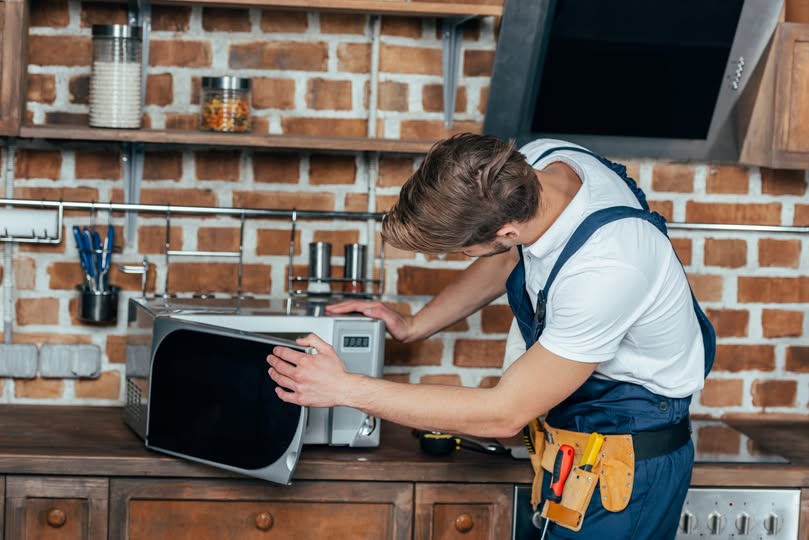
Simple Solutions to Get Your Microwave Working Again
Microwaves are essential kitchen appliances that make heating food quick and convenient. However, like any device, microwave ovens can experience common microwave problems that affect their performance. Many of these issues have simple fixes you can try at home before seeking professional microwave repair. Below, we explore frequent microwave issues, troubleshooting tips, and easy fixes to help you get your appliance working fine again.
Common Microwave Problems and How to Fix Them
Microwave Not Heating Food
One of the most common microwave issues is when the microwave runs but fails to heat food properly. This could be caused by a faulty magnetron, broken door switch, blown fuse, or electrical fault. First, double-check that the microwave door is closing properly and the door seal is intact to avoid radiation leaks. If these are fine, the problem likely lies in internal components requiring professional repair.
Microwave Not Turning On
If your microwave oven won’t power on, check the power cord and outlet for any burn marks or loose connections. A blown fuse, faulty door switch, or malfunctioning control panel can also prevent the microwave from turning on. Power cycling the microwave by unplugging it for a few minutes can sometimes reset internal parts. If the issue persists, consult the owner’s manual or a technician.
Microwave Plate Not Spinning
A turntable that does not spin can cause uneven heating. This is often due to food debris obstructing the small wheels or a faulty drive motor. Cleaning the turntable and inspecting the rollers with a damp cloth can be an easy fix. If the turntable setting is off or the motor is broken, replacement may be necessary.

Microwave Making Strange Noises
Buzzing, grinding, or rattling noises often indicate loose components, a failing cooling fan, or a worn turntable motor. Cleaning out food splatter and debris from the waveguide cover and fan area can help. Persistent strange noises should be checked by a professional to avoid further damage.
Microwave Sparks or Arcing
Microwave sparks are usually caused by metal objects inside the microwave or damaged waveguide covers. Avoid placing metal containers or utensils inside the microwave oven. If sparks continue, inspect for food splatter or worn internal parts and clean thoroughly with a damp cloth.
Microwave Displays Error Codes
Many microwaves are equipped with digital control panels that display error codes when there is a malfunction. Common error codes may indicate issues such as a faulty door switch, control board failure, or sensor problems. Refer to your microwave’s owner’s manual for specific error code meanings and recommended actions. In some cases, resetting the microwave by unplugging it for a few minutes can clear temporary errors.
Microwave Door Won’t Close Properly
A microwave door that doesn’t close or latch properly can prevent the appliance from operating due to built-in safety features. This issue can be caused by misaligned hinges, worn door seals, or damaged latches. Inspect the door for visible damage and clean the door seal to ensure it is free from debris. If the door remains problematic, professional repair may be necessary to replace faulty components.
Microwave Buttons or Touchpad Not Responding
Unresponsive buttons or touchpads can make it impossible to operate your microwave. This common problem may result from a worn membrane switch, moisture, or dirt buildup on the control panel, or electrical faults. Try resetting the microwave by unplugging it and cleaning the control panel with a dry cloth. Persistent issues typically require professional repair or control board replacement.
Microwave Overheating or Shutting Off Mid-Cycle
Overheating can cause a microwave to stop unexpectedly during operation. Poor ventilation, a faulty cooling fan, or prolonged use without breaks can lead to overheating. Ensure that the microwave’s vents are not blocked by other appliances or objects and allow it to cool down between uses. If overheating continues, consult a technician to inspect internal components.
Microwave Cooking Times Are Too Long or Inconsistent
Incorrect cooking times can be a result of using the wrong power level, overloading the microwave, or faulty internal parts such as the control board. Double-check that you are using the recommended power levels and avoid overcrowding the microwave. If cooking times remain inconsistent, professional diagnosis may be required.
These additional common microwave problems highlight the importance of regular maintenance, proper usage, and timely professional repairs to keep your microwave oven functioning safely and efficiently.
Related Article: The Dangers of Ignoring Microwave Repairs

Frequently Asked Questions
Why does my microwave run but not heat food?
This often points to a faulty magnetron, high-voltage diode, or blown fuse. Also, ensure the microwave door is closing properly and the door seal is intact.
How can I fix a microwave that won’t turn on?
Check the power cord, outlet, and circuit breaker. Try unplugging and power cycling the microwave. If the door switch or control panel is faulty, professional repair is needed.
What causes uneven heating in microwaves?
A non-spinning microwave plate or turntable motor issues often cause uneven heating. Make sure the turntable is clean and properly aligned.
Is it safe to use a microwave that makes strange noises?
Unusual noises could indicate loose or failing internal parts. Stop using the microwave and have it inspected to prevent safety risks.
Can I fix microwave sparks myself?
Remove any metal objects and clean the interior thoroughly. If sparks persist, it may require professional appliance repair to replace damaged waveguide covers or internal components.
When to Call for Professional Microwave Repair
While many common microwave problems have easy fixes, some issues involve high-voltage components like the magnetron, capacitor, or control board. These require professional expertise to safely diagnose and repair. If your microwave exhibits persistent faults, unusual electrical issues, or broken door switches, it’s best to consult a qualified technician to avoid safety risks and further damage.
By following these troubleshooting tips and simple fixes, you can often resolve common microwave issues quickly and keep your appliance running efficiently. For complex problems or if you’re unsure, professional appliance repair services are available one call away to help restore your microwave’s performance safely and effectively.