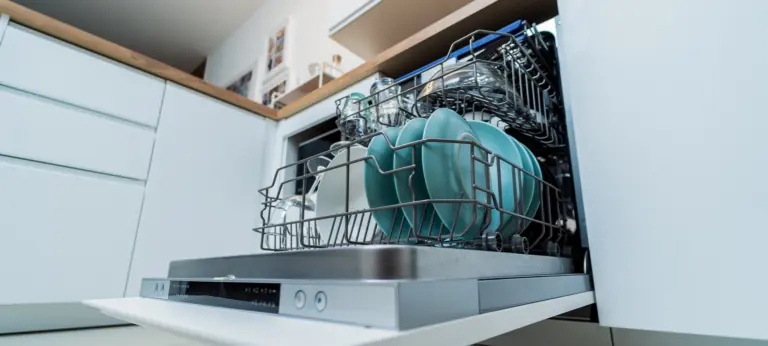


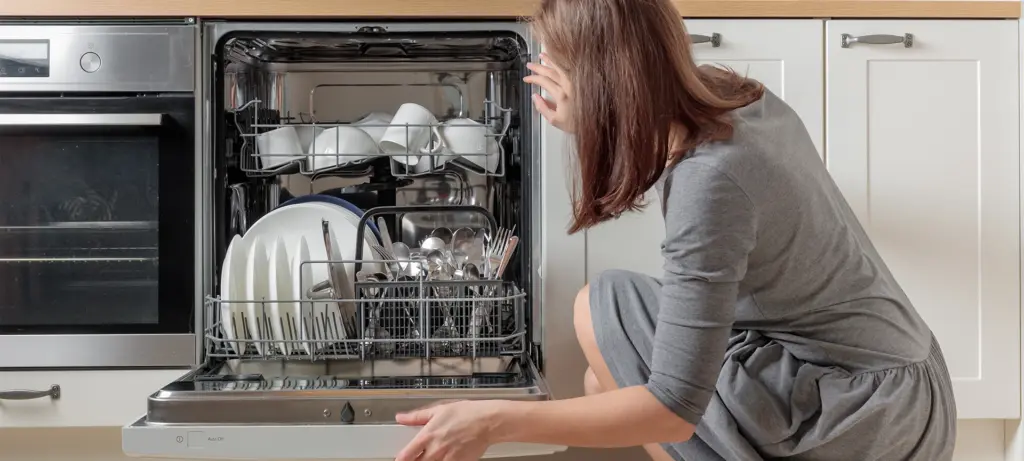
Dishwashers are designed to operate quietly, but if you start to hear a loud grinding noise during the wash cycle, it’s a clear indication that something isn’t right. Understanding the causes of this noise and how to address them can save you from costly repairs and extend the life of your appliance. In this article, we’ll explore the common reasons behind dishwasher grinding noises, how to troubleshoot them, and when to call a professional.
Understanding Dishwasher Noises: What’s Normal and What’s Not?
Before diving into the causes of grinding noises, it’s important to know what sounds are normal for your dishwasher. During a typical wash cycle, you might hear:
- A low hum or whirring sound from the motor and pump running.
- A faint swish as water sprays onto your dishes.
- Occasional clicking from the chopper blade grinding large food particles (in some models).
These sounds are generally quiet and not disruptive. However, a loud grinding noise is abnormal and usually signals an issue that needs attention.
Common Causes of Dishwasher Grinding Noise and How to Fix Them
1. Foreign Objects Stuck in the Pump or Drain Area
One of the most frequent causes of a dishwasher grinding noise is foreign objects lodged inside the drain pump or impeller. Small utensils, broken glass, bones, or hard food particles can get trapped and cause the pump to make a loud grinding sound.
How to fix:
- Remove the lower rack and spray arms to access the filter and drain area.
- Inspect for any debris or foreign objects and carefully remove them.
- Clean the filter thoroughly to ensure proper water flow.
- Test the dishwasher to see if the noise persists.
2. Worn or Damaged Drain Pump Assembly
The drain pump is responsible for expelling water from the dishwasher. Over time, the pump assembly, including the impeller and motor bearings, can wear out or become damaged, leading to grinding noises.
How to fix:
- If cleaning doesn’t resolve the noise, the drain pump assembly may need replacement.
- This repair often requires professional service due to the complexity of accessing and replacing the pump.
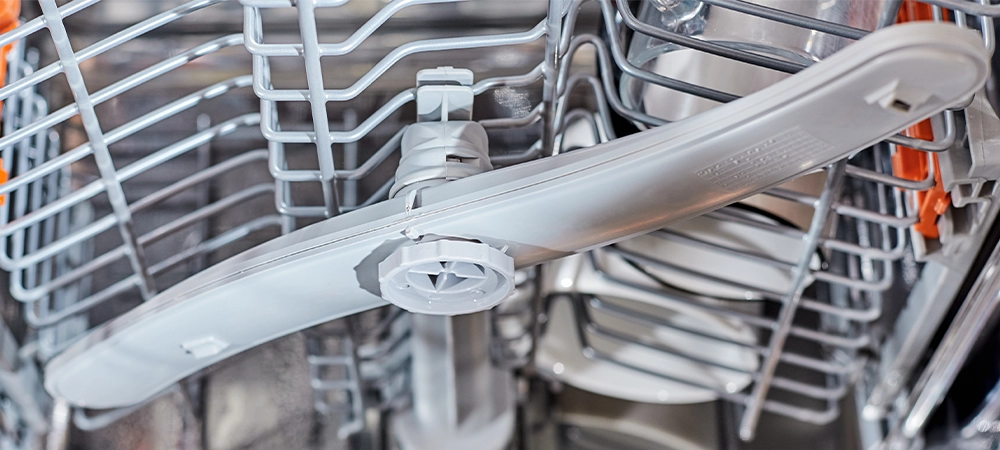
3. Blocked or Broken Spray Arms
Spray arms spin during the wash cycle to distribute water evenly. If they become clogged with debris or cracked, they may hit dishes or the dishwasher tub, causing a grinding or rattling noise.
How to fix:
- Remove and clean the spray arms, clearing any blocked holes with a toothpick or small brush.
- Replace any cracked or damaged spray arms.
- Ensure dishes are loaded properly to avoid obstruction.
4. Loose or Broken Dishes and Utensils
Sometimes the source of the noise isn’t mechanical but related to how the dishwasher is loaded. Loose or broken dishes can shift and knock against the spray arms or dishwasher walls during the cycle.
How to fix:
- Check the positioning of dishes and utensils before starting the dishwasher.
- Secure lightweight items or use clips if available.
- Remove any broken dishes immediately.
5. Faulty Circulation Motor or Pump
The circulation motor drives water through the spray arms. If the motor’s bearings are worn or the pump is malfunctioning, you may hear a grinding or humming noise.
How to fix:
- Faulty motors or pumps usually require professional diagnosis and replacement.
- Continuing to run the dishwasher with a malfunctioning motor can cause further damage.
6. Clogged or Malfunctioning Inlet Valve
The inlet valve controls water flow into the dishwasher. Mineral buildup or debris can clog the valve, causing it to vibrate or produce a grinding noise during the fill stage.
How to fix:
- Inspect and clean the inlet valve screen.
- Replace the valve if it is damaged or not functioning properly.
7. Mineral Buildup and Hard Water Effects
Hard water can cause mineral deposits to build up inside the dishwasher’s components, including the pump and spray arms, leading to unusual noises.
How to fix:
- Use dishwasher-safe descaling agents regularly to prevent buildup.
- Consider installing a water softener if you have hard water in your area.
Preventive Maintenance Tips to Avoid Grinding Noises
- Regular Cleaning: Clean the filter, spray arms, and drain area monthly to prevent debris buildup.
- Proper Loading: Avoid overcrowding and ensure utensils and dishes are securely positioned.
- Use Quality Detergents: High-quality detergents reduce residue and buildup inside the machine.
- Run Hot Water: Before starting the dishwasher, run hot water in the sink to ensure hot water enters the machine.
- Inspect for Wear: Periodically check hoses, valves, and the pump area for signs of wear or damage.
When to Call a Professional Appliance Repair Service
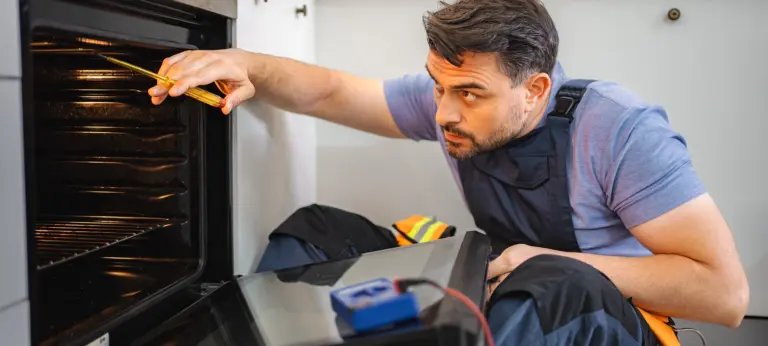
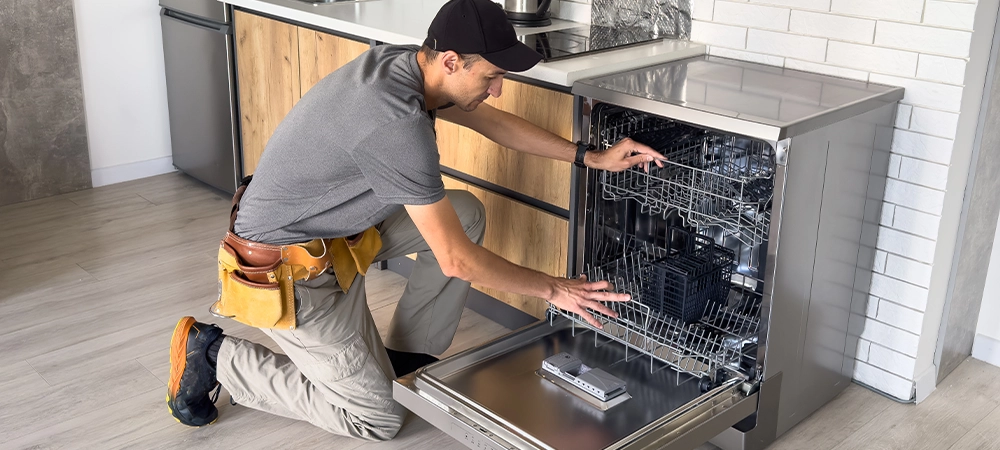
If you’ve tried cleaning and repositioning dishes but the dishwasher grinding noise persists, it may be time to schedule a repair appointment with a qualified technician. Professional repairis especially recommended if:
- The noise comes from the motor or pump assembly.
- You notice leaks or water not draining properly.
- The dishwasher displays error codes or fails to complete cycles.
- You’re unsure how to safely access internal components.
A professional can verify the problem using model-specific information and provide the correct replacement parts, ensuring your dishwasher runs quietly and efficiently again.
FAQs About Dishwasher Grinding Noise
Is it safe to keep using my dishwasher if it’s making a grinding noise?
It’s best to stop using the dishwasher until the cause of the noise is identified. Continuing to run it with a grinding noise may cause further damage.
How can I tell if the grinding noise is coming from the motor or the drain pump?
The noise from the motor often occurs during water circulation, while the drain pump noise is usually heard during the draining phase. Removing the lower rack and filter can help you listen more closely.
Can I fix a dishwasher grinding noise myself?
Some causes, like removing foreign objects or cleaning spray arms and filters, can be handled by homeowners. However, motor or pump repairs generally require professional service.
What maintenance can prevent grinding noises?
Regular cleaning of filters, spray arms, and the drain pump area, as well as proper loading and using quality detergents, can prevent most grinding noises.
How do I find model-specific instructions for my dishwasher?
Refer to your dishwasher’s user manual or manufacturer’s website for model-specific maintenance and repair instructions. Having your model number handy will help when seeking support or parts.
Contact Us Today
If you’re experiencing a dishwasher grinding noise and want expert assistance, contact Appliance Forever. Our team serves Barrie, Newmarket, Aurora, Richmond Hill, Vaughan, Markham, Scarborough, North York, and Thornhill, specializing in dishwasher repairs for all major brands like Samsung, LG, Whirlpool, and more. Don’t ignore strange noises—let us help you keep your dishwasher running quietly and efficiently.